Dr. Nitish Mandal
PRP
PRP is Platelet Rich Plasma: a sample of your blood is processed to concentrate platelets, then injected at the pain site. Preparation takes about 30 minutes. The injection is brief.
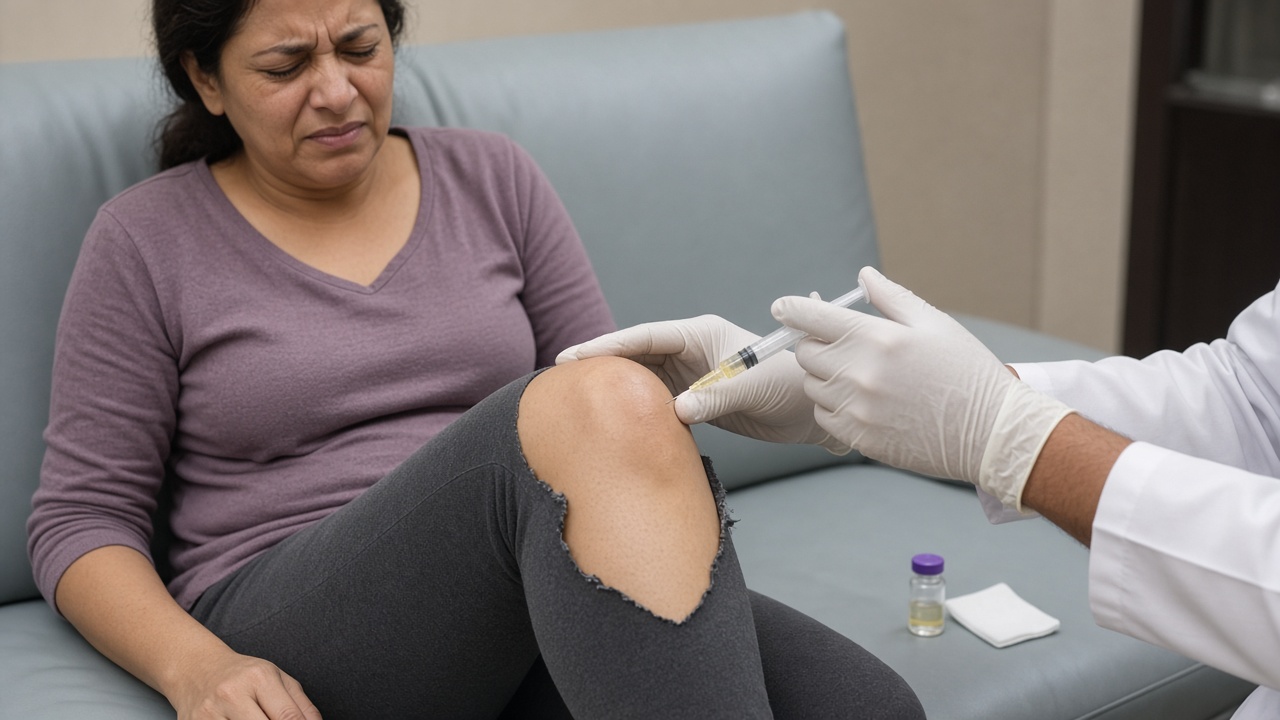
What is PRP?
PRP means Platelet Rich Plasma. Your blood has red cells, white cells, and platelets. Platelets help clotting and tissue repair. A sample of your blood is processed to concentrate those platelets, then injected at the pain site.
PRP for pain needs accurate placement into joints or spine and should be performed by a trained pain physician.
Which conditions is PRP used for?
- Sports injuries, tendon and ligament problems.
- Arthritis and selected knee, shoulder, and hip pain.
- Cervical and lumbar pain, and chronic foot pain including heel spurs.
How long does a PRP visit take?
- Local anaesthetic preparation.
- Blood draw.
- Centrifugation to concentrate platelets.
- Injection at the pain site.
- Discharge after the procedure.
Preparation takes approximately 30 minutes. The injection itself is brief.
Frequently asked questions
- Is this my own blood?
- Yes. A sample is drawn, processed to concentrate platelets, and placed at the pain site.
- How long does the visit take?
- Preparation takes about 30 minutes. The injection is brief. You are discharged afterwards.
- Who should perform PRP for pain?
- Someone trained to place it accurately into the joint, tendon, or spine. This clinic treats that as a pain physician's work.
PRP is not a replacement for every surgery, and it only helps if it reaches the right tissue. The first visit is to find that tissue, then decide whether PRP belongs in the plan.
Reviewed by Dr. Nitish Mandal, MBBS, MD, FIPM, TIPM (Nashville). Clinics: Koramangala and J.P. Nagar.
Page chat
Ask about PRP
The questions on this page, with answers taken from the same details shown above.
Chat
Pain clinic
Typically replies on WhatsApp
Is PRP my own blood?
Yes. A sample is processed to concentrate platelets, then placed at the pain site. Preparation takes about 30 minutes.